


Slow it down for you and for the children
Slow it down for you and for the children https://thejaneevans.com/wp-content/themes/corpus/images/empty/thumbnail.jpg 150 150 Jane Evans https://secure.gravatar.com/avatar/1b06bd036211b82cdba19b095bacdad4?s=96&d=mm&r=g When we are present in the daily lives of children they are impacted by our physical and emotional responses, reactions and energy. They naturally try to tune into our physiology and our emotional state and are affected by them. For example, what we say to a child has a profound impact on who they come to believe they are, and what they think they should expect from others too. The tone of voice we use to say kindly or critical words conveys a sense of safety or threat even before a child can really understand the meaning and implications of the words and phrases. Their survival instincts are at work and know if they are being spoken to with kindness or possible threat which can switch them into either fight, flight or freeze.
Words matter, as this recent piece on the harm verbal abuse highlights, sadly this is something which is often minimised and dismissed as it is such an uncomfortable truth. What also really matters is how emotionally and physically regulated we are around children, especially babies. Until recently the common belief was that young children couldn’t be affected by harsh words said to or around them, atmospheres and the behaviour of others, as they didn’t understand any of it. Now we know better.
Children are all about instinct!
Children have strong instincts to compensate for their underdeveloped rational brain. They are much more sensitive to, and pick up on, anxiety in the adults around them. They can’t understand the energy anxiety gives off so they find it overwhelming and in turn become anxious too. Children feel the emotional and physical dysregulation of their adult carers as an energy which can cause them to feel agitated and stressed leading to fight or flight or to a shut down, freeze or flop state.
A mindfully, mostly regulated adult, can be the most soothing thing for a young child or baby, a calm, balanced loving heart open and there for them like as familiar security blanket. Whereas, a tense, frustrated, irritated body and heart are overwhelming and confusing increasing a child’s stress response with a range of consequences in the short and long term.
It’s not about perfect harmony in all areas!
This not about keeping away from children if we struggle to offer them calmness and a compassionate energy and curiosity, as children need adults who respond to their needs rather than withdraw. It is about working hard to access that openness of heart, inner calmness and offering a child love whatever they have done, or not done. Time invested in daily rituals which increase our stillness and mindful calmness are so important and can be as simple as you like. Start small, keep them going, don’t deviate from them as the more you do the better it will be for you and the children in your life.
It can take time if we are anxious adults, it will take effort and attention on a daily basis but the benefits for the health of every child we meet or care for are immense. Robust evidence lays out how repetitive ongoing unpredictable adult carer’s anxiety and stress early in a child’s life has long-term mental and physical health implications starting with an increased likelihood of smoking, drinking alcohol, drug-use, depression, obesity and life limiting illness. No one wants that for any child so let’s take our own anxiety and reactivity much more seriously, find simple ways to slow down, pause, breathe, see the child, smile, speak and act only with kindness.
It is always the best option for them, and for us.
To work with Jane to understand and reduce your anxiety and the anxiety of your children:
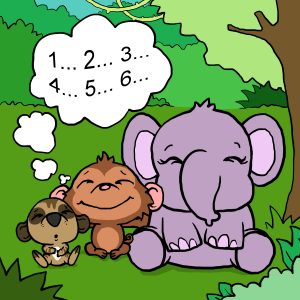
From Little Meerkat’s Big Panic by Jane Evans, illustrated by Izzy Bean. A simple story to teach children ways to feel and be calm both in their body and their brain.

Leave a Reply