


Why are we still on the ‘old ship’ – rewards & consequences?
Why are we still on the ‘old ship’ – rewards & consequences? https://thejaneevans.com/wp-content/themes/corpus/images/empty/thumbnail.jpg 150 150 Jane Evans https://secure.gravatar.com/avatar/1b06bd036211b82cdba19b095bacdad4?s=96&d=mm&r=g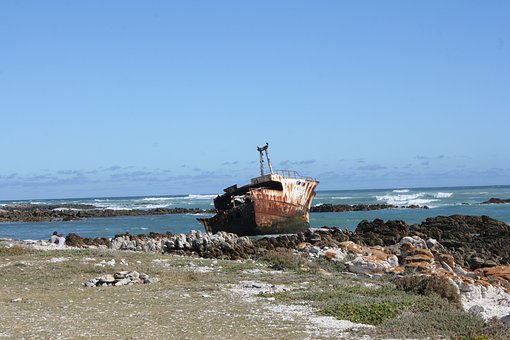
I was talking with my friend and colleague Mike Armiger one fine evening last week over fish, chips and a pint! As is oft the case we were puzzling over the conflicting views, policies, beliefs, and practices used in education for ‘behaviour.’ Especially as the dominant discourse and practices still seem to cling to doing what’s always been done!
Attachment and trauma-aware is on the rise!
In the 7 years, I’ve been fortunate enough to deliver training in schools and pre-schools, I have seen awareness about attachment, early brain development, and trauma increase. I have come across settings where the focus in squarely on the relationship with the child as it’s recognized that this is the foundation for learning, wellness, and behaviour. Attachment aware pre-schools and schools do exist and there isn’t anarchy. Lullaby Lane Nursery in Glasgow is a shining example of attachment-led practice in action.
A research pilot by Bath Spa University in collaboration with Bath & North East Somerset Virtual Schools and Kate Cairns Training found that using an attachment focused understanding and practices reduced in and out of school exclusions. It also improved academic outcomes, staff wellness, and satisfaction.
“Among schools that participated in the programme, there were significant improvements in academic achievement (including reading and writing)”
“In terms of the impact on pupils regarding the behavioural indices, there was a significant decrease in sanctions (lessons and incidents) observed between Time 1 and Time 2.”
Are we still on a slow boat to nowhere?
Given that attachment theory was first developed in the 1940’s and the subsequent 25-30 years of neuroscience, neurophysiology, and neurobiology have provided evidence to back up the benefits for every child of being raised and taught within a safe relationship. It is a concern that this ‘new’ knowledge has far from replaced, ‘spare the rod, spoil the child’, power and control based approaches to behaviour. Is this acceptable?
Early adopter or clinging to the familiar?
In the sales/business world when a new product is launched you get ‘early adopters.’ These people will queue overnight for the new Apple product. They believe it will be great. They don’t need convincing. Then there are the regular Apple product users, who will get one soon, or in good time. Some folks need more convincing, plenty of reviews, recommendations from others they trust and then they will buy. Finally, there are those who cling to what feels familiar. They may show a passing interest, often to discredit the new iPhone but will stick rigidly to what they know. When choosing to buy or not buy a new product this is all fine but should it be applied to how we view and address children and their behaviour?
Does teaching compliance have a down-side?
Once again Mike and I found ourselves wondering why so many influential leaders and gurus in education stick with a version of the ‘old familiar’ when it comes to children and their behaviour. Incentivise – reward – consequence – praise. Repeat, repeat, repeat. Call it something different if you get bored but it still amounts to a reliance on getting children to……. Even though it’s clear that the children who can, will. The children who can’t will repeatedly be in trouble!
Children who have had good-enough secure attachment can tow the line. In time, they can work out the system, adopt it early on so that life goes pretty well for them. Such conformity will give everyone a quieter time. However, we shouldn’t be tempted to see it as successful. It restricts ‘thinking outside of the box’, gives children a coping strategy for life of, be compliant or seek compliance. Is this really what we want for children and the adults they will become?
What if they find out there WAS an alternative?
I often wonder, and was debating with Mike what will happen when the children of ‘now’, grow up and discover that there was an alternative to getting them to comply? That using rewards or punishments amounted to failing them. Will they feel the professionals they relied upon should have moved with the times? Especially if they find out that the more brain-based alternatives were much better for their mental health, physical well-being and regulation, their sense of self, learning and capacity to be in relationships. I know how I would feel.
Sinking ship or luxury liner?
The image I had as I sat in a lovely pub garden with Mike, was of certain powerful figures in education on a tattered, battered old sailing ship as it was slowly sinking. They were pulling children out of the sea on to it, over and over again as it continued to go down. The children were clinging on as they had no choice. Other adults were paddling furiously towards it to climb aboard.
Just on the horizon was a beautiful, modern, fully furbished ship designed and created using the latest research and scientific findings. New but rigorously tested and fully fit to sail the high seas safely and to get all the children, and the adults on board to the island of Wellness, Resilience and Fulfillment. Before setting sail, the new ship’s leaders and crew had extensively researched its capabilities and capacities. In any case, they knew it made sense to upgrade as clearly technology and design had moved on!
Over to you – old ship or new ship?


Leave a Reply